Native Plant of the Month: Melaleuca quinquenervia

The Broad-leaved Paperbark is a staple of our local ecosystem.

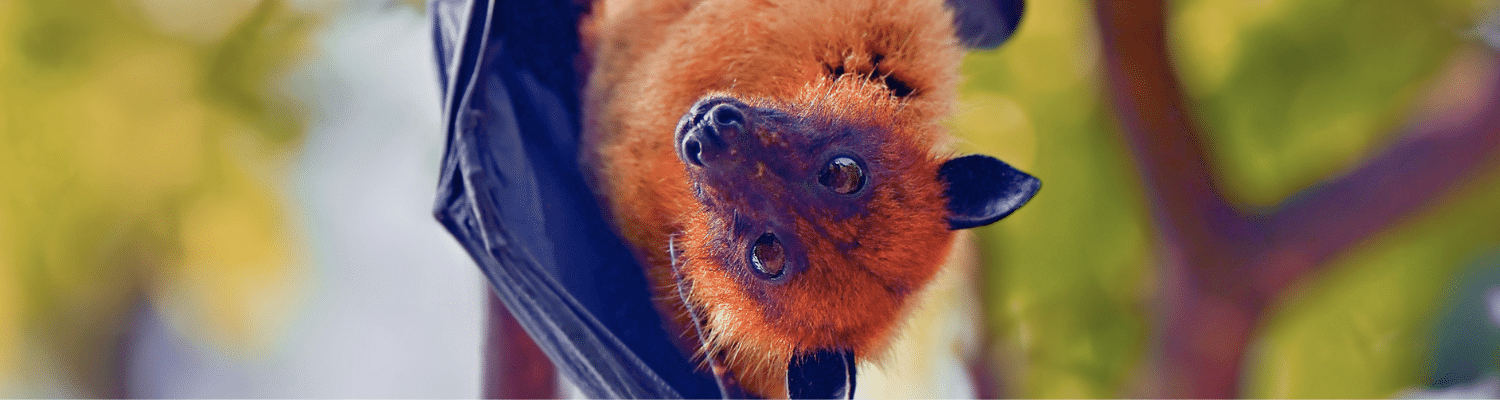
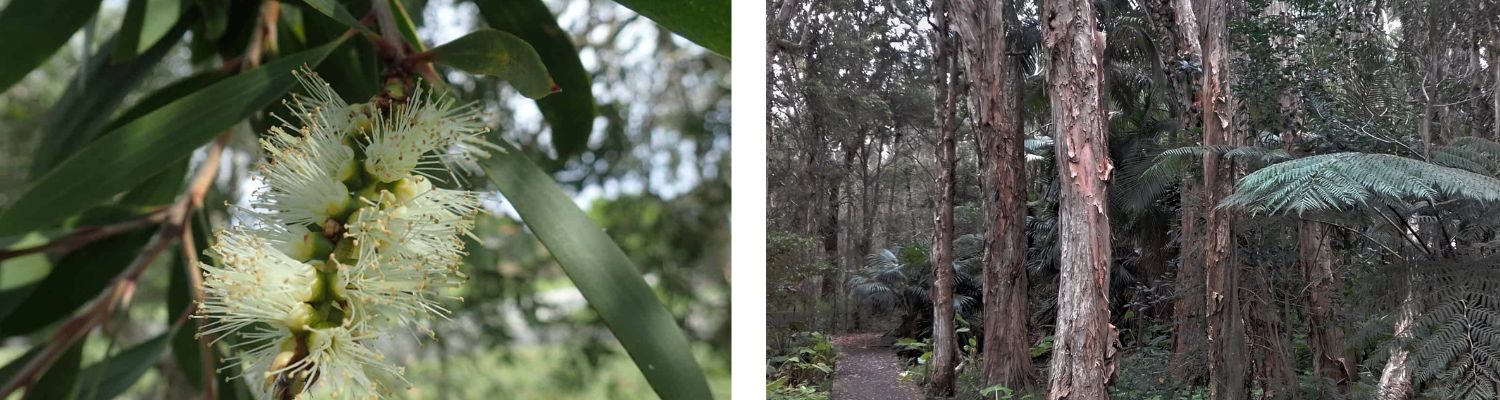
The Melaleuca quinquenervia, or Broad-leaved Paperbark, is a common native plant to coastal areas of the Port Macquarie Hastings region, and is most frequently found within 20km of the coast. They can grow up to more than 20m in height and they flower around March/April, attracting flying foxes and nectar feeding birds such as rainbow lorikeets.

It is one of the dominant trees in the swamp forest in Kooloonbung Creek Nature Park and along Wrights and Yarranabee Creeks in Port Macquarie, and in Lake Innes Nature Reserve.

It can tolerate a lot of inundation by growing aerial roots under its loose bark. If killed by fire it regenerates quickly from stored seed released by woody capsules on its branches and if blown over in strong winds, fallen trunks reshoot new vertical stems.

First Nations Peoples used the bark for wrapping and cooking food. They also used an infusion of the leaves as a treatment for coughs and colds.

Broad-leaved Paperbark is one of several Melaleuca paperbarks occurring in our region, and four species are available for purchase from the Landcare Nursery.

This species is very suitable for areas subject to waterlogging but should be planted at least 15 metres from any dwelling due to its ultimate height, even though in a garden situation it is unlikely to reach the size it attains in the swamp forest.
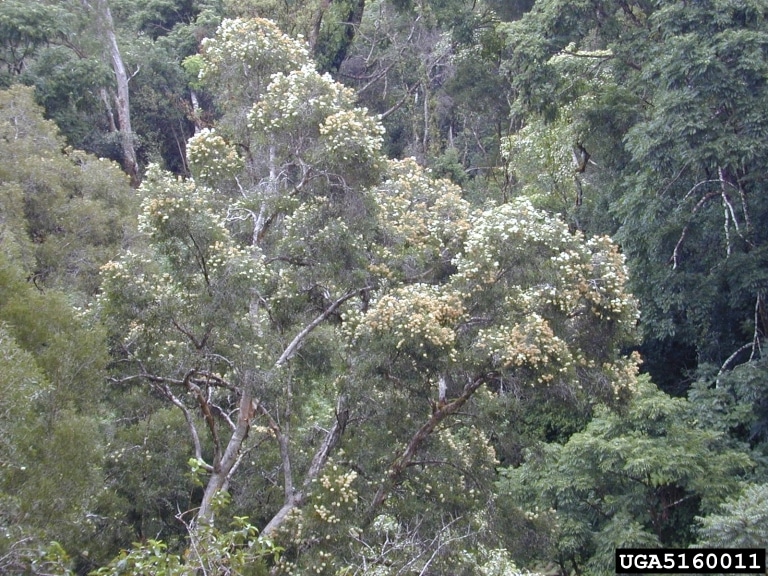
Take the boardwalks through Kooloonbung Creek or through Calwalla Reserve off Calwalla Crescent to see fine examples of this tree.

Categories
Related posts

Hidden amongst the treetops of our region is a tiny but mighty hunter with a tail like a bottlebrush and a brutal breeding season where the males do not survive...

Biodiversity Month is a great reminder that our region is home to an incredible variety of plants and animals – including some very protective feathered locals.  As spring arrives, so...

Mexican Feather Grass may look like an attractive ornamental grass, but if it escapes from gardens it can become a serious problem for pastures, bushland and roadsides. This highly invasive...

Plum Pine (Podocarpus Elatus) is a distinctive native conifer with unusual fruit and strong links to our local rainforests. In our local bushland, we have only three species of native...

Native Plant of the Month: Melaleuca quinquenervia

The Broad-leaved Paperbark is a staple of our local ecosystem.

The Melaleuca quinquenervia, or Broad-leaved Paperbark, is a common native plant to coastal areas of the Port Macquarie Hastings region, and is most frequently found within 20km of the coast. They can grow up to more than 20m in height and they flower around March/April, attracting flying foxes and nectar feeding birds such as rainbow lorikeets.

It is one of the dominant trees in the swamp forest in Kooloonbung Creek Nature Park and along Wrights and Yarranabee Creeks in Port Macquarie, and in Lake Innes Nature Reserve.

It can tolerate a lot of inundation by growing aerial roots under its loose bark. If killed by fire it regenerates quickly from stored seed released by woody capsules on its branches and if blown over in strong winds, fallen trunks reshoot new vertical stems.

First Nations Peoples used the bark for wrapping and cooking food. They also used an infusion of the leaves as a treatment for coughs and colds.

Broad-leaved Paperbark is one of several Melaleuca paperbarks occurring in our region, and four species are available for purchase from the Landcare Nursery.

This species is very suitable for areas subject to waterlogging but should be planted at least 15 metres from any dwelling due to its ultimate height, even though in a garden situation it is unlikely to reach the size it attains in the swamp forest.
Take the boardwalks through Kooloonbung Creek or through Calwalla Reserve off Calwalla Crescent to see fine examples of this tree.

Categories
Related posts

Heads up: Magpie swooping season has arrived

Biodiversity Month is a great reminder that our region is home to an incredible variety of plants and animals – including some very protective feathered locals.  As spring arrives, so

'Spot the Sticker' and WIN!

Batteries can spark fires and don’t belong in any of our bins.

To help our community learn how to dispose of them safely we’re giving away a $50 gift card every week for 6 weeks. 

Keep your eyes peeled for our “Don’t Bin Me” battery sticker on local waste trucks and you could score a $50 gift card! Click below to learn more about the competition and how to dispose of batteries safely.

Booking Enquiry Form

Please complete the form below and our education team will touch base soon to discuss your enquiry.

Booking Enquiry Form

Please complete the form below and our education team will touch base soon to discuss your enquiry.